Rubbish removal Balham High Road quick local guide
Posted on 04/07/2026
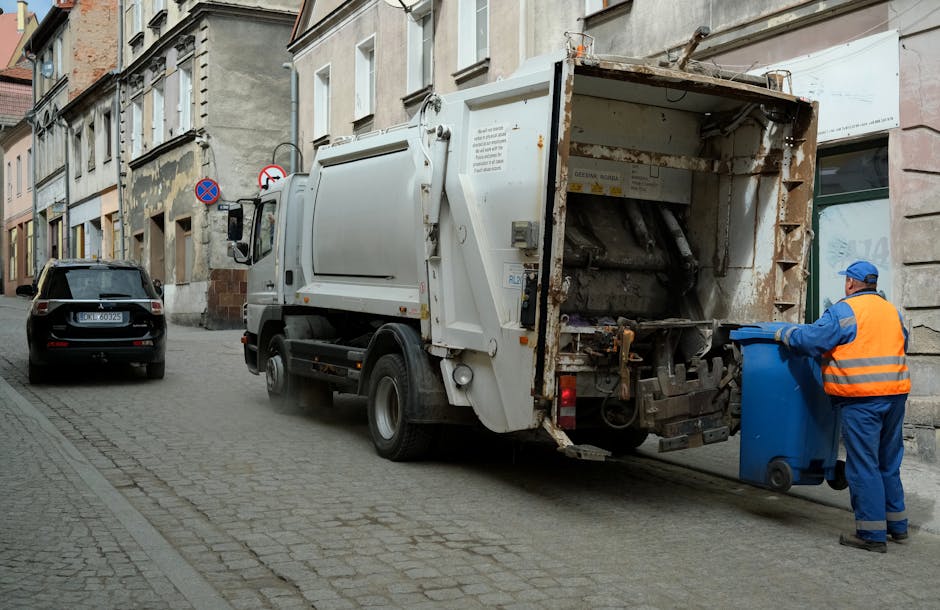
If you need rubbish removal on Balham High Road, you usually want the same three things: speed, reliability, and no faffing about. A pile of black bags by the front door, an old sofa blocking the hallway, or builders' rubble gathering dust in the corner can turn into a proper nuisance very quickly. This quick local guide to rubbish removal Balham High Road explains how the process works, what to expect, how to choose the right service, and how to avoid the common mistakes that waste time and money.
It also helps you work out when a simple collection is enough, when a full clearance makes more sense, and what to check before you book. In a busy stretch like Balham High Road, where access, parking, and timing can all affect the job, a little planning goes a long way.
Why rubbish removal on Balham High Road matters
Balham High Road is the kind of place where space gets used hard. Flats are compact, deliveries arrive at awkward times, and one bulky item can suddenly make a staircase feel twice as narrow. That is why local rubbish removal matters here more than it might in a quieter residential street. Quick collection keeps homes usable, avoids clutter building up, and prevents waste from lingering where it becomes a safety issue.
There is also the practical side. If you leave waste out too long, it can attract complaints from neighbours, create trip hazards, and make a property look neglected. For landlords, estate agents, shop owners, and busy households, speed is not just convenient. It protects the rhythm of the day. Truth be told, nobody wants to step over a broken wardrobe leg three times before lunch.
For people comparing options, it helps to think of rubbish removal as part of a wider local system. Some jobs are straightforward and fit neatly into rubbish collection in Balham. Others need a broader approach, especially if the load is mixed, heavy, or spread across several rooms. That is where a more complete waste clearance Balham service can be the better fit.
One small but important point: on a road like this, timing matters. Mornings can be busy, parking can be tight, and access may be easier if everything is already gathered near the exit. That kind of detail can make the difference between a smooth job and a frustrating one.
How rubbish removal Balham High Road quick local guide works
Most local rubbish removal jobs follow a simple pattern. You describe what needs to go, the team assesses the volume and type of waste, a price or estimate is given, and then the collection is carried out at an agreed time. The good operators keep this process clear and quick, without making you decode jargon or chase updates.
In practical terms, the key question is not just "how much rubbish is there?" but "what kind of rubbish is it?" A few bagged items are very different from a dismantled bed, a broken fridge, or builders' debris from a bathroom refit. Mixed loads often need sorting, and the type of waste can affect how it is handled after collection. If your rubbish includes furniture or white goods, you may find it more useful to look at dedicated options such as furniture removal Balham or white goods and appliance disposal Balham.
For businesses and home offices, the process is similar, but the priorities change. Office chairs, filing cabinets, and IT clutter often need careful handling. In those cases, a tailored office clearance Balham or even a broader commercial waste removal Balham option may be the cleaner route.
Access is another major part of the workflow. On Balham High Road, some properties have basement stairs, narrow communal entrances, or limited waiting space outside. A good team plans for that before arriving. They will usually ask for access details, floor level, item size, and whether anything needs dismantling. That is not fussing; it is just how the job stays efficient.
If you want a broader overview of the service range before booking, it is worth scanning the services overview. That can help you match your waste type to the right service first time, which saves a lot of back-and-forth later.
Key benefits and practical advantages
The biggest advantage of local rubbish removal is simple: it gives you your space back. That sounds obvious, but once clutter starts spreading, it affects how a room feels and how you use it. A clear hallway is safer. A clear spare room becomes useful again. A clear shop stock area is easier to work in. Small win, big relief.
There is also the speed factor. If you are clearing after a move, refurb, tenancy change, or just a long-overdue sort-out, waiting several days for a solution can drag the whole process out. A quick local guide to rubbish removal on Balham High Road should leave you with a realistic sense of timing: what can be done same day, what needs pre-booking, and what requires a bit of sorting before collection.
Another practical benefit is reduced stress around disposal. Different waste streams often need different handling. Furniture, garden waste, builders' rubble, and domestic junk are not all treated the same way. Using a proper service avoids the trial-and-error that can happen when people try to split waste into bits and hope for the best. Let's face it, most of us have better things to do on a Tuesday afternoon.
There is also a hidden benefit that is easy to overlook: better recycling outcomes. When waste is collected by a responsible operator, more of it can be sorted properly rather than being mixed and lost to general disposal. If sustainability matters to you, it is worth reading about the company's recycling and sustainability approach before you book.
Finally, there is peace of mind. A clear, insured, compliant service can reduce the risk of damage, missed items, or dodgy disposal. For a lot of people, that reassurance is worth as much as the collection itself.
| Benefit | What it means in practice | Why it matters on Balham High Road |
|---|---|---|
| Fast turnaround | Waste is removed without long waiting times | Useful for busy homes, shops and landlords |
| Less disruption | Items are taken in one visit where possible | Helps when access and parking are limited |
| Safer spaces | Hallways, stairwells and work areas are cleared | Reduces trip hazards and clutter complaints |
| Better sorting | Different waste types can be separated properly | Supports responsible disposal and recycling |
Who this is for and when it makes sense
Rubbish removal on Balham High Road is useful for a wider mix of people than you might expect. Of course, it helps if you have a lot of domestic clutter. But it also makes sense for landlords between tenancies, business owners doing a quick reset, and renovators who need the site cleared before the next stage starts.
Homeowners often call for one of three reasons: they are moving, they are decluttering, or they have a large item that the normal routine simply cannot handle. In those cases, a general domestic waste collection Balham can be the most straightforward option. If the pile includes old sofas, wardrobes, or tables, a more specific furniture disposal Balham service may be a better fit.
Builders and tradespeople tend to need rapid removals at the messy stages of a project. A pile of packaging, timber offcuts, plasterboard, and broken tiles builds up fast, and nobody wants it sitting in a front garden for long. That is where builders waste disposal Balham becomes practical rather than optional.
Then there are the life-admin clear-outs. After a bereavement, a long tenancy, or a family home downsizing, a house clearance Balham or loft clearance Balham can save a huge amount of effort. These jobs are often more emotional than people expect. The practical help matters, yes, but so does the chance to make a difficult task feel manageable.
Even local businesses can benefit. If you run a clinic, shop, studio, or office on or near the high road, clearing old stock, broken fixtures, or outgrown furniture can improve how the space feels for staff and customers alike. That is not fluff; it affects day-to-day working life.
Step-by-step guidance
If you want the quickest route to a smooth collection, follow this sequence. It keeps the job tidy and stops last-minute surprises.
- Sort the waste type first. Separate general rubbish, furniture, appliances, garden waste, and builders' material if you can. Even a rough split helps.
- Estimate the volume honestly. One overfilled room is very different from three black bags. Be realistic. It saves awkward questions later.
- Check access. Note stairs, narrow entrances, loading restrictions, or controlled parking. On Balham High Road, access details matter.
- Ask what is included. Find out whether lifting, loading, labour, and disposal are covered, and whether anything costs extra.
- Confirm the disposal route. A reputable provider should be clear about compliance and responsible handling.
- Prepare the items. Put waste in one place if possible, unplug appliances, and dismantle bulky furniture only if it is safe to do so.
- Keep pathways clear. This sounds basic, but it makes the collection safer and usually faster.
- Do a final walk-through. Check cupboards, under beds, loft corners, and behind doors before the team leaves.
If the job is larger than expected, do not panic. That happens all the time. The best teams deal with real homes and real spaces, not perfect showroom conditions. A slightly messy start is not a problem. They have seen worse. Much worse, probably.
Expert tips for better results
One of the most useful habits is to photograph the waste before you book. It helps both sides understand the load, especially if items are tucked into a corner or spread over several rooms. A couple of photos can prevent a lot of guesswork.
Another tip: group similar items together. If the collection includes a mattress, a desk, and some bagged rubbish, place them in separate clusters. That makes loading easier and reduces the chance of something small being missed. You do not need military precision. Just enough order to help the process move.
If you are removing appliances, check whether they are still connected to water or power. It is safer to disconnect them properly in advance if you know how. If not, ask for guidance before the appointment rather than improvising on the spot. A hurried fridge move is the sort of thing that sounds simple until it is not.
When timing matters, book earlier in the day. On a road like Balham High Road, the earlier slot can be easier for access and less likely to run into traffic-related delays. That is not guaranteed, of course, but it often helps.
For mixed domestic clearances, it is usually smarter to think in terms of the whole job rather than individual items. A broader waste disposal Balham service may be a better fit than trying to piece together several narrow services, especially if the waste is not neatly categorised.
Key takeaway: the smoother the preparation, the cheaper and quicker the collection tends to feel. Not always, but often enough to matter.

Common mistakes to avoid
The first common mistake is underestimating the amount of waste. People often describe a collection as "just a few items" and then discover there is also a broken bed frame, four bags of clutter, and a lamp the size of a small satellite dish. It happens. If in doubt, err on the side of caution.
The second mistake is ignoring access. If you live above a shop, on an upper floor, or in a building with tricky stairwells, the team needs to know. Otherwise the appointment may take longer than expected, or require extra labour that could have been planned in advance.
The third is mixing hazardous or restricted items with ordinary rubbish. Some materials need special handling and cannot just be added to a general load. If you are unsure, ask before collection day. That single question can prevent a headache.
Another easy slip is choosing the wrong service. Furniture disposal, appliance disposal, garden waste, and builders' debris all have different handling needs. If you book the wrong type, you may end up paying twice or delaying the job. A quick review of the relevant service pages can help you avoid that. For example, garden waste removal Balham is a better match for cuttings and soil than a general domestic collection.
And then there is the classic last-minute sort-out. You start moving one box and find three more hidden behind it. We have all been there. If the job is time-sensitive, leave a bit of breathing room. Always.
Tools, resources and recommendations
You do not need a toolkit the size of a workshop to get rubbish removal right, but a few simple things help a lot.
- Strong bin bags or rubble sacks: Useful for lighter items and mixed household waste.
- Labels or marker pens: Handy if you want to separate keep, donate, recycle, and remove piles.
- Basic measuring tape: Helpful for bulky furniture and tight doorways.
- Photos on your phone: A quick way to show the size and spread of the load.
- Protective gloves: Sensible for sorting, especially in lofts or storage areas.
- Clear pathway plan: You may only need to move one chair, but make sure the route is open.
As for recommendations, keep your decision process simple. Use one provider that can handle the type of waste you have, and make sure the service description matches your actual needs. If you are unsure whether it is a small collection or a full clearance job, compare the scope with waste clearance Balham and the more specific options like furniture, office, or builders waste.
It can also be useful to check background pages about company standards before you book. A responsible business should be clear about its waste carrier licence and compliance, as well as its insurance and safety approach. Those details are boring in the best possible way. They show the job is being taken seriously.
Law, compliance, standards and best practice
Rubbish removal in the UK is not just about shifting items out of sight. Waste has to be handled responsibly, and reputable operators should understand the normal legal and industry expectations around transport, disposal, safety, and record-keeping. You do not need to become an expert yourself, but you should know the basics.
The main thing to watch for is responsible waste transfer. If someone offers to take waste away cheaply but cannot explain how it will be handled, that is a red flag. Fly-tipping is a real problem, and once rubbish leaves your property, you want confidence it is going somewhere legitimate.
For householders, the safest habit is to ask whether the collection is carried out by a licensed waste carrier and whether the company can explain its disposal process in plain English. That is not overkill. It is common sense.
For businesses, the standard is even higher. Commercial waste should be dealt with in a way that keeps records tidy and avoids confusion about what was removed. If you manage offices or retail premises, keep your own internal notes too. It makes audits and property handovers a lot less painful.
There is also a broader best-practice layer around recycling, reuse, and safe lifting. Furniture in decent condition may be suitable for reuse or separate processing. Appliances need proper handling. Heavy waste should not be dragged across floors or carried unsafely down stairs. That is where trained teams and proper insurance really matter.
If you want to understand more about the company values behind the service, the pages on about us, terms and conditions, and privacy policy can help set expectations before you commit.
Options, methods and comparison table
Not every rubbish problem needs the same solution. Some jobs are quick and light, others are bulky and awkward, and some are really about clearing a whole area rather than lifting one load. Here is a simple comparison to help you choose.
| Option | Best for | Main advantage | Watch out for |
|---|---|---|---|
| General rubbish collection | Bagged waste, mixed domestic clutter | Quick and straightforward | May not suit heavy or specialist items |
| Furniture removal | Sofas, beds, wardrobes, tables | Good for bulky items | Access and dismantling may affect timing |
| Appliance disposal | Fridges, washing machines, cookers | Handles white goods correctly | Check disconnection requirements first |
| Builders waste removal | Renovation debris and site waste | Useful for project clean-up | Heavy loads need careful planning |
| House or loft clearance | Full-property or storage area clears | Best for larger, more complex jobs | Usually needs more preparation |
If your goal is just to get one or two items gone quickly, a focused collection is often enough. If you are clearing a room, a loft, or multiple categories of waste, a broader clearance option tends to be less stressful and more efficient. Choosing the right method is half the battle, really.
Case study or real-world example
Picture a ground-floor flat just off Balham High Road. The resident has recently finished decorating, and now there is a mix of packaging, a broken chest of drawers, a rolled-up carpet, and two old office chairs that have outlived their usefulness. The hallway is narrow, the building shares a front entrance, and the resident needs the place cleared before guests arrive that evening. No drama, just ordinary life moving too fast.
In that situation, a simple bag collection would not be enough. The better route would be to group the waste into furniture, general rubbish, and any remaining light mixed items. The team would need access details in advance, especially if the front entrance is shared or parking is tight. If the load also included a fridge or washer, that would move part of the job into appliance disposal territory.
The useful part of this example is not the items themselves. It is the decision-making. A quick local guide works best when it helps you match the actual job to the right service. A good provider will not make that feel complicated. They should help you separate what is straightforward from what needs a bit more care.
And that is usually the whole story. Not glamorous, but effective.
Practical checklist
Use this checklist before booking rubbish removal on Balham High Road.
- Have I identified the waste type?
- Have I separated furniture, appliances, garden waste, and builders' debris where possible?
- Have I taken photos of the items?
- Do I know roughly how much needs removing?
- Have I checked access, stairs, and parking limitations?
- Do I know whether anything needs disconnecting or dismantling first?
- Have I asked what is included in the price?
- Do I know when the collection will happen?
- Have I cleared a pathway to the waste?
- Have I checked for anything valuable or important before the team arrives?
If you can tick most of those off, you are in good shape. And if a couple remain uncertain, that is fine too. Better to clarify than assume.
Get a free quote today and see how much you can save.
Conclusion
Rubbish removal on Balham High Road does not need to be complicated. When you know what you are removing, how much there is, and how the access works, the whole process becomes far more straightforward. The best local results come from matching the right service to the right waste, keeping communication clear, and choosing a provider that treats compliance and safety as non-negotiable basics.
Whether you are clearing one bulky item, emptying a cluttered room, or dealing with a more involved house, loft, or office clearance, a practical approach saves time and reduces stress. That is what this guide is really for: helping you make a calm, sensible decision without turning a simple job into a project. And honestly, once the rubbish is gone and the space feels open again, it is a pretty good feeling.
Small step, much better day.
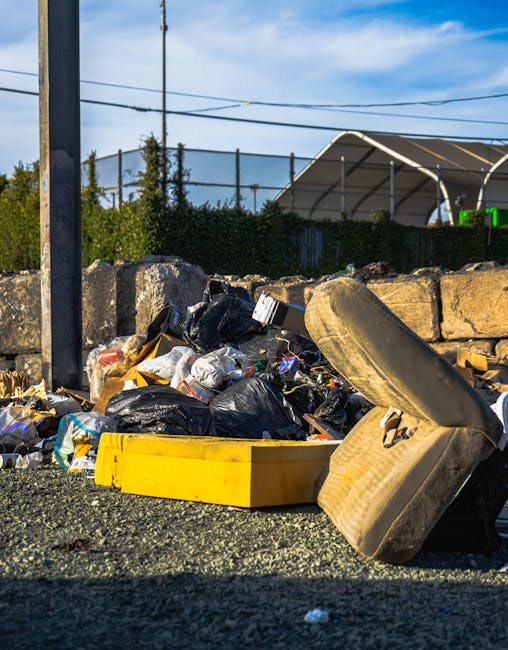

 Tipper Van - Waste Dipsosal and Rubbish Removal Prices in Balham, SW12
 Luton Van - Waste Dipsosal and Rubbish Removal Prices in Balham, SW12