If you need rubbish removal on Balham High Road, you usually want the same three things: speed,...
Waste Disposal Balham is committed to providing genuinely eco-friendly waste disposal in the local area. Our goal is to offer residents, landlords, and businesses a sustainable rubbish removal option that is convenient, transparent, and aligned with the environmental ambitions of the surrounding London boroughs. From high recycling targets to low-emission vehicles, every part of our service is designed to reduce the impact of waste on the planet.
We set a clear recycling percentage target to keep our team focused and to give customers confidence that their rubbish is being handled responsibly. Our current aim is to recycle or reuse at least 92 percent of all waste we collect. This target is reviewed regularly as new recycling technologies, local facilities, and borough-wide initiatives become available.
To meet this target, we carefully separate materials that can be recycled, including paper, cardboard, metals, hard plastics, glass, and suitable textiles. Construction and bulky waste are also sorted wherever possible to salvage wood, scrap metal, and other reusable components. We continuously monitor the performance of our eco-friendly waste disposal process and train our staff to recognise recyclable materials quickly and accurately.
Our operations are closely linked with licensed local transfer stations that support advanced sorting and responsible onward processing. By using nearby facilities, we reduce journey distances and help ensure that recyclable streams are separated efficiently before being sent to specialist recyclers or reprocessors.
Local transfer stations allow us to handle mixed loads collected from homes, flats, gardens, offices, and shops in and around Balham. These stations use mechanical and manual sorting lines to pull out recyclable materials, keeping them out of landfill and diverting them from traditional disposal routes. This approach fits with the wider area’s emphasis on managing waste close to its source and limiting unnecessary transport.
A key part of our sustainable rubbish removal service is finding a second life for items that still have value. Instead of sending usable furniture, appliances, or household goods straight to disposal, we work with local charities and community groups who can redistribute them to people in need.
When we collect items such as wardrobes, tables, chairs, bookshelves, or small electricals that appear to be in good condition, we set them aside for assessment. If they meet basic safety and quality standards, they are passed to our charity partners for resale, reuse, or donation. This helps to cut waste at source, reduce the demand for new products, and support social projects in and around Balham.
We also encourage customers to mention in advance when a clearance is likely to include reusable items. This allows us to plan for separate loading and sorting so that reusable goods are protected during transport and do not end up mixed with general rubbish.
Transport is a major part of the carbon footprint of any waste operation, so we work hard to keep ours as low as possible. Our fleet strategy focuses on modern, fuel-efficient and low-emission vans, with a transition plan towards hybrid and electric vehicles as infrastructure and charging options across south London expand.
To further support eco-friendly waste disposal, we use route planning tools to minimise unnecessary mileage. Collections are grouped by area where practical, helping us to cut fuel use and reduce traffic congestion around Balham’s busy streets. Efficient routing also reduces waiting times for customers while keeping overall emissions lower than traditional, less organised collection services.
Balham is served by boroughs that encourage residents to separate their waste into clear streams, including dry mixed recycling, food waste, and residual rubbish. Our services are designed to complement these existing systems. When we handle house or flat clearances, we mirror the local focus on segregation by separating recyclable materials on site wherever possible.
This means that cardboard boxes, metal items, garden waste, and other recyclables can be loaded separately from general rubbish. Garden clearances, for example, are approached with a strong emphasis on sending green waste for composting or mulching rather than disposal. Office and commercial clearances also follow a similar pattern, with paper, cardboard, and electronic waste identified and channelled towards appropriate recycling or specialist treatment facilities.
Modern living generates increasing amounts of electronic waste, and we treat this category with particular care. Items such as computers, printers, small kitchen appliances, and entertainment equipment are classified as waste electrical and electronic equipment. These are directed to approved facilities that can safely remove hazardous components, recover metals, and recycle plastics.
For other specialist waste streams, such as metal fixtures from refurbishments, we favour recycling routes that allow high-value materials to be recovered and reintroduced into production. This approach supports a more circular economy in and around Balham and reduces the need for virgin raw materials.
We recognise that sustainable rubbish removal is an ongoing process. Regulations, local borough policies, and recycling technologies change over time. Waste Disposal Balham regularly reviews its procedures and partnerships so that we can keep improving our recycling percentage and lower our environmental impact year by year.
Our team is always happy to offer basic guidance to customers on how to prepare for a collection in a more eco-conscious way. Simple steps such as separating recyclables, identifying reusable items, and keeping electrical goods aside for inspection help us deliver a cleaner, greener result. Together, we can make sure that waste from Balham homes and businesses is managed in a way that respects both the local community and the wider environment.
Waste Disposal Balham provides practical waste disposal in Balham for households, landlords, shop premises and offices that need a clear, tidy way to remove unwanted items. The work can include single bulky objects, mixed rubbish, room-by-room clearances and regular collection of accumulated waste, all handled with an emphasis on sensible sorting and straightforward disposal. If you need a response to a one-off build-up or a fuller property clearance, our service is organised to make the process easy to understand from the outset.
We focus on the collection and removal side of the job rather than making you manage every stage yourself. That means the service can cover furniture removal, domestic rubbish, appliance disposal, garden waste and site tidying where the waste itself is the main issue. For many customers, the key benefit is that the unwanted material is taken away in one planned visit rather than being left to accumulate. Our services overview explains how the main options fit together.
When you are ready to compare the scope of work, prices and the type of clearance you need, a short enquiry is usually enough to start a useful conversation. You can also use our pricing and quotes information to understand the kind of details that help shape an accurate estimate. If you already know the items involved, it is often simplest to send that list first and then refine the plan from there.
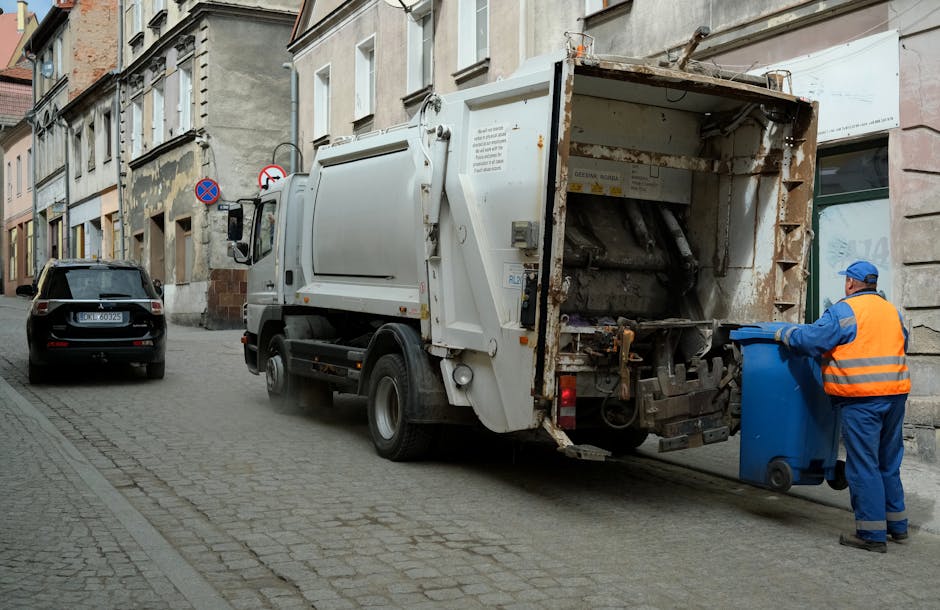
Household waste removal is often the most useful option when a property has accumulated mixed items that do not belong in ordinary bins. That can include bagged rubbish, broken household goods, old storage contents, loose clutter, packaging and other non-hazardous waste that needs to be taken away together. A general rubbish collection in Balham is suitable when the load does not fall neatly into one category and a single organised removal is the clearest approach.
In practical terms, this type of work is best when you want the waste dealt with without turning it into a larger project. We can remove items from accessible parts of the property and separate what needs careful handling from what can be cleared quickly. If a room, hallway or storage area has become difficult to use, the aim is to clear the waste in a controlled way and leave the space ready for its next purpose. Domestic waste collection is often the right fit for that kind of task.
A mixed household collection may involve soft furnishings, boxed contents, loose household rubbish, light fittings, small broken items and other general waste that has built up over time. The main consideration is not simply volume, but also how the items are distributed through the property and whether anything needs to be separated for a different disposal route. For a more targeted furniture job, furniture disposal in Balham is a narrower option that focuses on larger household pieces.
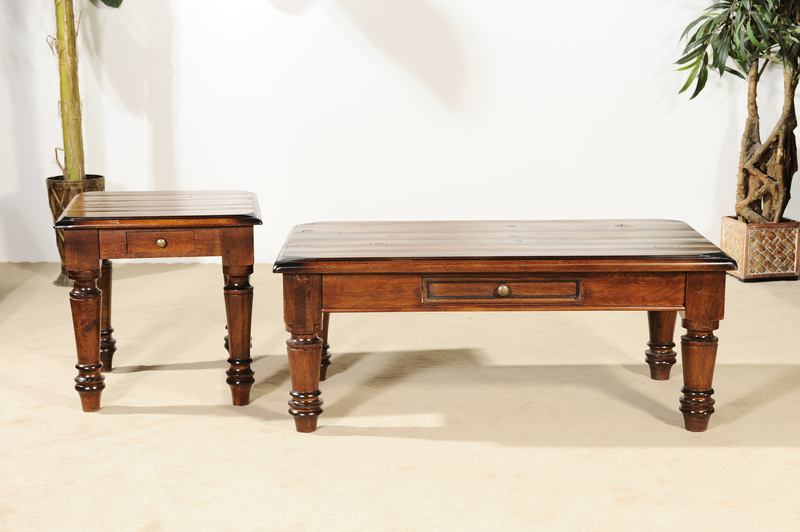
Bulky items need a more deliberate approach than ordinary bagged waste because they are awkward to move and may require more space for safe loading. Sofas, wardrobes, tables, office chairs and similar items are often easiest to remove as part of a planned furniture collection, especially where access is tight or the items are heavy. Furniture removal in Balham is a practical option for properties that need larger pieces taken away without leaving the arrangement to chance.
Appliance disposal is another common request when a washing machine, fridge, freezer or other white good is no longer needed. These items can involve material separation and careful handling, so it is sensible to treat them differently from ordinary rubbish. Where suitable, white goods and appliance disposal offers a focused route for those heavier domestic items. We also handle other bulky objects as part of a wider waste disposal plan when that is the cleaner solution.
The main question is whether you need a single object removed, several matching items collected, or a broader clearance with other waste included. A standalone furniture task may suit a narrow collection, while a mixed load from a flat, house or office is better handled through a broader clearance page. If the items include several types of furniture and miscellaneous waste, it is often more efficient to arrange waste clearance rather than splitting the job into separate requests.
Property clearances are suitable when the aim is to remove a larger quantity of mixed contents from a house, flat or other domestic space. This can include furniture, old household belongings, general rubbish and stored items that have built up across more than one room. A house clearance in Balham is often the clearest way to deal with a property that needs a more substantial emptying than a standard collection.
Lofts and upper storage spaces often need a different approach again, because items may be compacted, awkwardly stacked or difficult to access safely. A dedicated loft clearance can be helpful where the main task is removing stored contents rather than a few loose items. For landlords, executors and homeowners, the practical aim is the same: reduce the amount of sorting and shifting you need to manage before the waste can be taken away.
To make any clearance more straightforward, it helps to separate the items that are staying from the items that are going. A simple list, photographs of the main rooms and notes about access can make it easier to judge the scale of the work before a collection is arranged. If there are lifts, narrow stairs or restricted parking, mention that early so the plan reflects the reality of the property and not an idealised version of it. Contact us when you are ready to go ahead.
Business premises often need removal of packaging, discarded fixtures, old paperwork storage, broken office items and other non-hazardous waste that should not be left to build up behind the scenes. Commercial waste removal is useful for offices, studios, retail units and small workplace clearances where a structured collection is more convenient than piecemeal disposal. Commercial waste removal in Balham can be arranged around the type of material and the amount that needs to leave the site.
Office clearances usually involve furniture, shelving, desktops, mixed office contents and accumulated waste from reorganising or vacating a space. Because the contents can be varied, it helps to keep the task practical and item-led rather than treating everything as a single generic load. Office clearance supports that kind of work by focusing on the removal of what the premises no longer need, while still allowing for different item types to be dealt with sensibly.
Building and renovation work usually creates waste that is heavier, dustier and more irregular than standard household rubbish. Offcuts, broken packaging, scrap material, tiles, plasterboard, timber and general refurbishment debris can quickly dominate a space if they are not removed regularly. A dedicated builders waste disposal service is a practical choice when the main requirement is to clear construction-related material without complicating the job.
This type of waste is often easier to manage when it is separated from ordinary household or office items. The more clearly the debris is grouped, the easier it is to plan collection, loading and disposal in a tidy sequence. For projects that also involve a general clean-out after work has finished, a broader waste disposal arrangement can bring together mixed items from the refurbishment, including packaging and unwanted furnishings, so the site can be left in a better state for the next stage.
If the project is still in progress, think about the likely waste stream rather than only the current pile. That makes it easier to avoid a repeated stop-start pattern. A short note about access, floor level and the type of material involved is usually enough to make the collection easier to organise. Clear, specific information tends to produce a more useful plan than a vague estimate, especially where the waste includes a mixture of light and heavy objects.
Outdoor areas generate a different type of waste from indoor rooms, so garden clearance work needs to take account of soil, cuttings, branches, damaged outdoor furniture and other seasonal material. Garden waste removal in Balham is the right approach when a driveway, yard or garden has accumulated material that no longer belongs in the space.
Garden-related waste is often easiest to handle when it is gathered into clear groups before collection. Branches, hedge trimmings, planters, bagged cuttings and broken outdoor items can all take different amounts of space, and that affects how the load is organised. For homes with both indoor and outdoor waste, it may be simpler to combine the work into one wider disposal visit rather than splitting the job unnecessarily. In some cases, the most useful route is to pair garden items with a more general rubbish collection so the property is dealt with in a single pass.
Outdoor waste is usually straightforward when the route from the garden to the collection point is clear and the items are grouped in advance. It also helps to distinguish between green waste, reusable outdoor furniture and general rubbish, because each category may need a slightly different approach. The objective is not to overcomplicate the job; it is to keep the collection orderly and remove what has been left outside without creating extra disruption.
Waste disposal costs are generally shaped by the kind of material involved, the amount to be removed, how easy it is to access, and whether the job is a simple collection or a fuller clearance. A load of light household rubbish is different from a set of heavy furniture items or a mixed builders' load, so the details matter. Our prices page and pricing and quotes information are useful starting points when you want to understand the main factors before requesting a figure.
Safety and legal handling are equally important. Waste should be moved, loaded and disposed of in a way that respects the type of material and the property conditions involved. That is why it helps to give a clear description of the items, and if possible to state whether they are inside, outside, upstairs or in a storage area. For general confidence about standards and handling, you can also review our insurance and safety and waste carrier licence and compliance pages.
Use the brief checklist below before you ask for a quotation:
Balham is a south London district in the London Borough of Wandsworth, set between Clapham and Tooting and shaped by the long-running movement of people and transport through this part of the city. Its name is recorded from the medieval period, and over time the area developed from rural land into an urban neighbourhood connected to the growth of suburban London. The present-day streets reflect several layers of development, from older terraced housing and later mansion blocks to interwar and post-war buildings that give the district a varied character. One of the best-known local landmarks is Balham station, which sits on the Underground and National Rail network and helped establish the area as a recognisable transport node. The High Road forms a central commercial spine, with shops, cafes and everyday services creating a busy street scene that contrasts with quieter residential roads nearby. To the south, the district sits close to open spaces such as Tooting Bec Common, which gives the area a broad edge of parkland and recreation. That mix of transport links, housing styles and accessible open space is part of what defines Balham as a place with both urban energy and local neighbourhood identity. The area’s built environment also includes ordinary Victorian and Edwardian housing alongside more recent development, so its streets do not follow a single architectural pattern. Instead, the place feels assembled from different periods of London growth, which is typical of districts that have moved from village origins into dense inner-suburban life.
Different loads call for different disposal routes, and choosing carefully makes the whole process simpler. A few bulky pieces may be best handled through furniture removal, while mixed room contents are often better suited to a house or waste clearance. Business loads work more cleanly through commercial waste removal, and renovation debris should usually be separated into a builders' category. The more directly the service matches the material, the easier it is to keep the job focused and avoid unnecessary sorting.
It is also worth thinking about how the waste is spread across the property. Items stacked in one room are not the same as waste spread through a loft, garden, office or multiple floors, and that affects the practical plan. A service that fits the location of the waste can save time later, especially where access is awkward or the load contains a mix of light and heavy pieces. If you are uncertain which page best reflects the job, use the general waste disposal route first and then describe the contents in more detail.
Request a quotation when you have the key details ready, and we can help you identify the most suitable option for the waste you need removed. If you prefer to compare the service range first, the overview and specialist pages above are the best places to start.
(80)